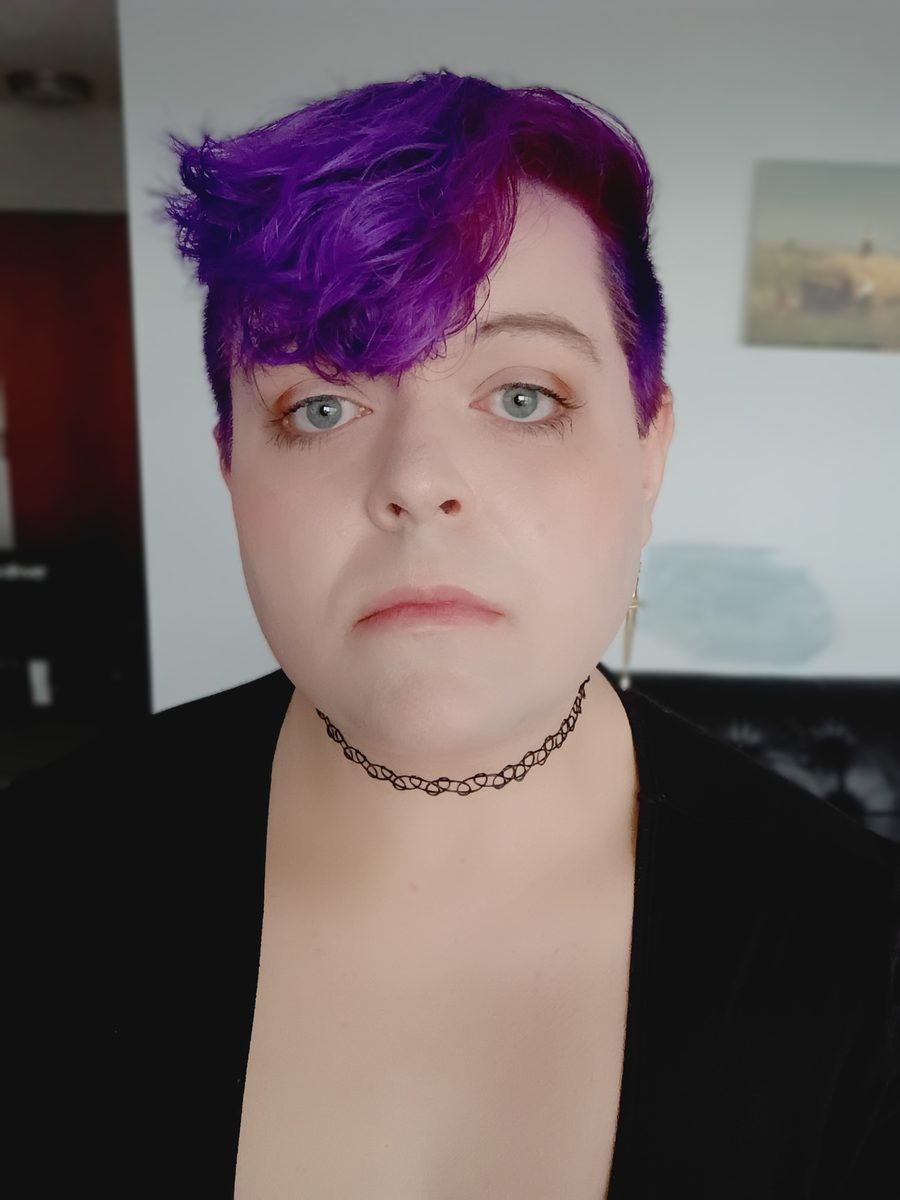
The inevitable happened, and I don't want to explain to everyone.
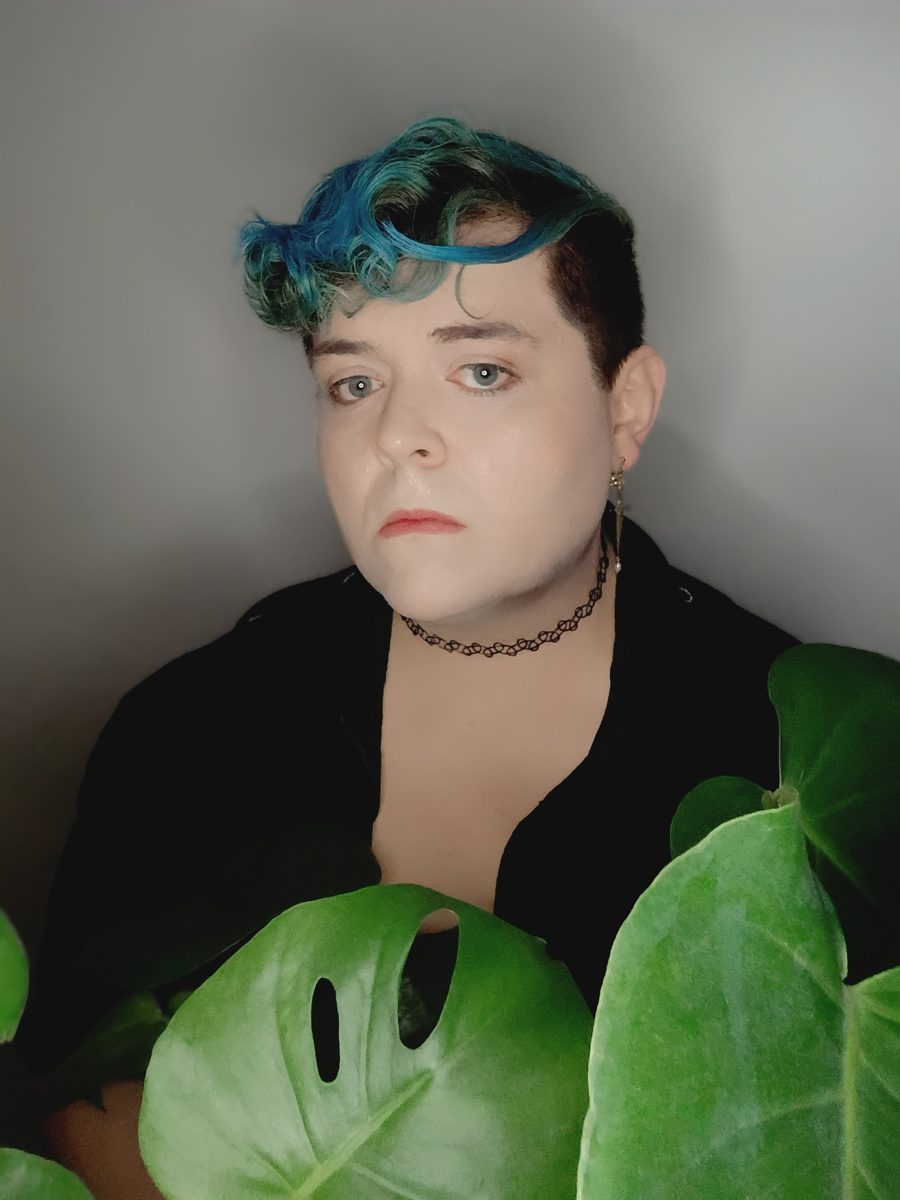
I'm a trans woman. I prefer she/her, and they is fine too.
✦
This is me · November 2026
October 19, 2026
✦
So here it is:
Pronouns
she/herThey is fine too.
Name
KellyLegally, as of November 2026. My mom picked my middle name. It was actually the name she was going to give me if I were a girl (lol), but she thought it was too feminine for a boy. I also went by Kelly for some years in my youth, so it's a natural fit.
Look
FutchSomewhere between femme and butch. I've always said I want to look like a lesbian at a NIN show on the Downward Spiral tour, and I intend to stick to that. I'll dress about the same, just a little more feminine. I'm under no delusion that I look like a cisgender woman, and I don't think I'll ever care to.
Medical
HRTHormone replacement therapy. I've been on spironolactone for over a year, and now I'm on estradiol too. No major surgery planned; minor surgery considered.
Why now?
I decided I wanted this in 2022, when I stopped using a more masculine name for my music and stopped thinking of myself in any masculine terms. Privately, that was ultimately when I knew. I've been waiting for when I could get healthy enough.
I'm doing it now because the world has become dreadfully unsafe for trans people. If I waited much longer, I might never feel comfortable doing it in this political landscape. Please understand that this is a heavy time for me.
What I'm asking for
Patience, mostly
Be patient while everyone adjusts, me included.
I prefer she/her. They is fine too, and I won't police anyone who's being respectful.
Call me Kelly. Should be easy, right?
Then let's move on. I just want to get on with my life.
✦
This should surprise no one if you know me
I've never really had a sense of being a man. In my head, I've always related much more to being a woman, and truly, I never fit in with the boys. The people I saw myself in growing up were women, like Samus, Ripley and Pauline Black. I wanted to be them. Whenever I was pushed toward something more masculine, it never stuck.
In high school, I was in a garage band with three close friends, all music nerds who shared a love of experimental music. All four of us are trans women now. None of us talked about it, and none of us kept in touch after high school. But somehow we knew that we shared something.
I started identifying as non-binary in 2016 and started planning my transition in 2024. By 2025 I luckily was pushed to get healthy enough to start. That year I was also started on spironolactone for fluid retention. I enjoyed its anti-androgen effects, but it was only a minor push. By then I'd already decided.
Ultimately, this is who I always have been, and I'm now becoming more comfortable with it.
I put my own records in order, and wrote about the women I looked up to growing up.
I understand I can't change my chromosomes, and that my body is phenotypically male. My goal isn't to change or ignore that.
But my sense of myself has never been congruent with being a man, and it's always been much closer to being a woman. That's why I'm drawn to a more feminine social role, and transitioning is how I accept that and make changes in my life to support it.
I don't think anatomy alone decides gender. Intersex people exist, and being a woman is about more than biology.
Ultimately, my goal is to live as authentically as I can, and by my 30s, I know who that is.
What I'm not saying
I'm not saying I'm biologically female. Sex and gender are different things, and I'm talking about gender.
I'm not asking anyone to agree with me. Just be respectful.
I'm not saying my experience is how it works for every trans person, or telling anyone else what to do with their own body.
I'm not assuming anyone who struggles with this is a bad person. I'd rather understand people than write them off.
Disclaimer
I'm not using this page to comment on any political actions or opinions. That said, I believe trans people aren't new and aren't going anywhere, and the evidence supports that.
From a young age, I looked up to women who could be tough and gentle at the same time. Here they are, roughly in the order they came into my life.
None of this is why I'm a woman. It's who I looked to while I figured it out.
✦
Part one
Growing up
My mom was an art professor, so I grew up surrounded by art, a lot of it made by women. That environment shaped much of what's on this page.
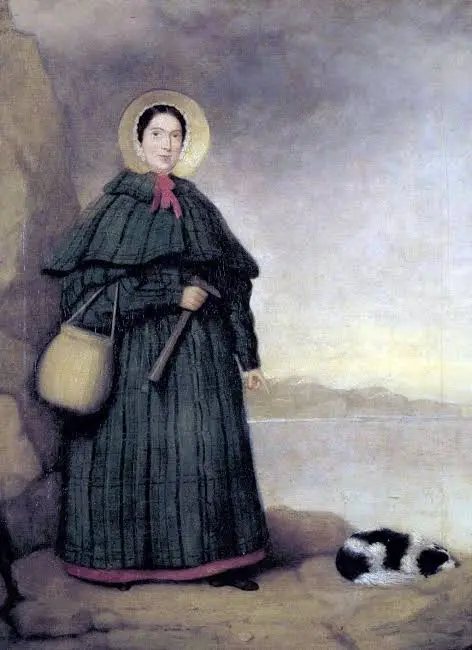
Mary Anning and her dog, Tray
Fossil hunter, 1799–1847
Mary Anning
Mary Anning was an influence on my early interest in marine biology and history. Working the sea cliffs at Lyme Regis, England, she found the first correctly identified ichthyosaur skeleton when she was twelve, the first two nearly complete plesiosaur skeletons, the first pterosaur skeleton found outside Germany, and fossil fish.
She also helped work out that “bezoar stones” were actually fossilized feces, and that belemnite fossils had ink sacs like modern squid. As a woman, she couldn't join the Geological Society, and she often didn't get credit for her own finds.
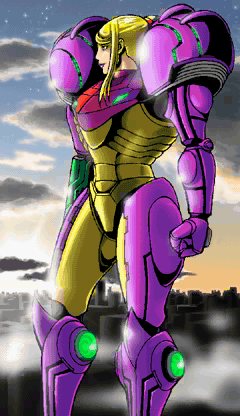
Samus Aran
Metroid
Samus Aran
Metroid has been my favorite game series since I was a kid, largely because it introduced me to my first role model, Samus Aran: a badass space lady who calmly saved the universe of her own accord. In the original 1986 game, you didn't even find out she was a woman until the ending.
Super Metroid was one of my first and favorite video games. I started playing it when I was 6. I also had U.N. Squadron. My uncle tried to get me to like it, but I didn't care for it, and that upset him. I never liked the more masculine games he tried to get me into. I wanted to be the space lady.
When Metroid Prime and Metroid Fusion came out in 2002, they both became my favorite games, and I played through both time and time again. The Prime games gave me a quiet, calculated, badass woman who didn't take commands. I wanted to be her.
Fusion stuck with me for another reason: Samus's struggle with her commanding officer, and over her own autonomy as a woman. Despite her obvious competence and literally saving the galaxy several times, she's still taking orders from a ship's computer modeled on her former commanding officer, Adam Malkovich. That irritated me, and I always sided with Samus.
By 14, I had played every Metroid game several times over. Naturally, the only reason I got a Nintendo Switch in 2021 was to play Metroid Dread, the follow-up to Fusion.
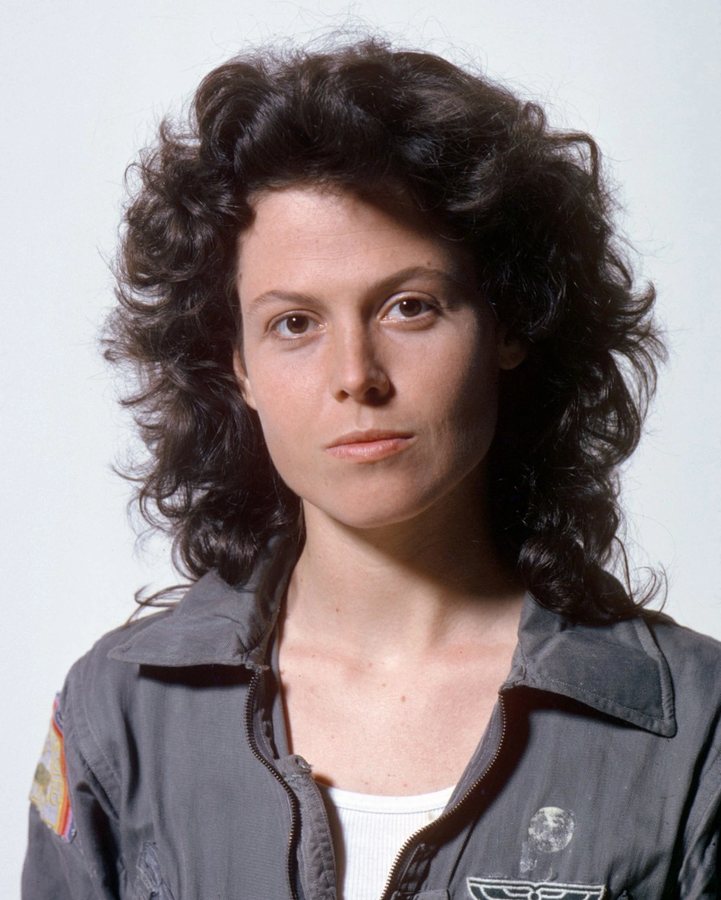
Sigourney Weaver as Ripley, Alien (1979)
Alien, 1979
Sigourney Weaver as Ripley
Alien gave me another role model in Sigourney Weaver's Ellen Ripley. The script described the crew as unisex, with every part interchangeable for men or women, and Ripley ended up as the one who kept her head and survived. I wanted to be her too.
Alien also inspired Metroid. Metroid's director, Yoshio Sakamoto, has said he's been influenced by movies like Alien since the very first game, and H.R. Giger's designs are all over the series. So two of my earliest role models are connected.
Vancouver Art Gallery, 2002
Frida Kahlo, Emily Carr and Georgia O'Keeffe
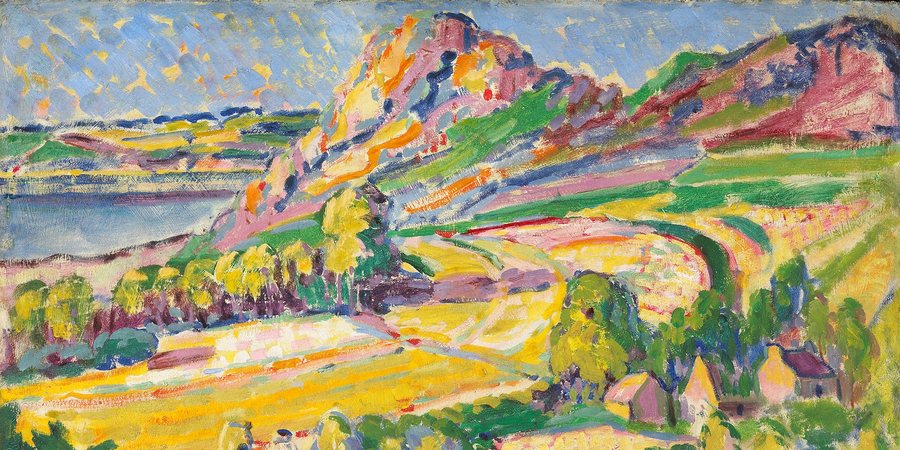
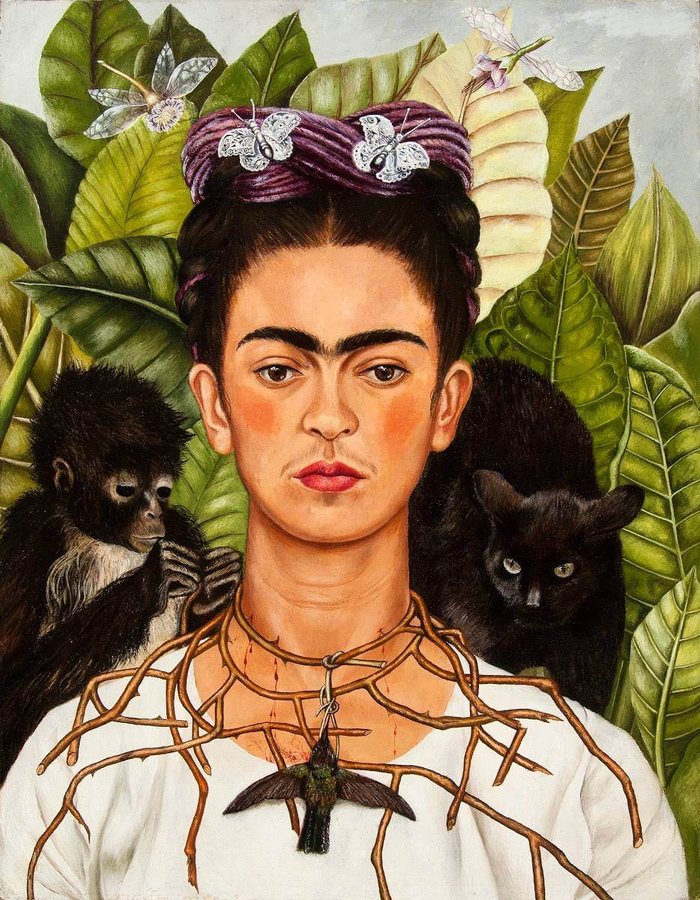
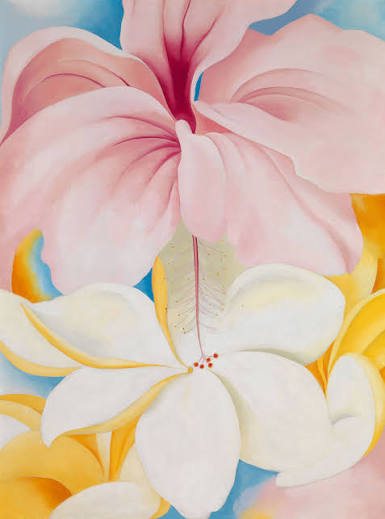
In 2002, we went to the Vancouver Art Gallery to see Places of Their Own, an exhibition of Frida Kahlo, Emily Carr and Georgia O'Keeffe, each considered her country's leading woman painter of the 20th century. They were all some of my mom's favorite artists.
Again, I was inspired by their contributions to art and culture. Frida Kahlo would become a long-running philosophical and political hero of mine. She would greatly inspire who I came to be. Their work showed me that art can be beautiful and brave at the same time.
Emily Carr, Autumn in France, 1911
Frida Kahlo, Self-Portrait with Thorn Necklace and Hummingbird, 1940
Georgia O'Keeffe, Hibiscus with Plumeria, 1939
✦
Part two
Music
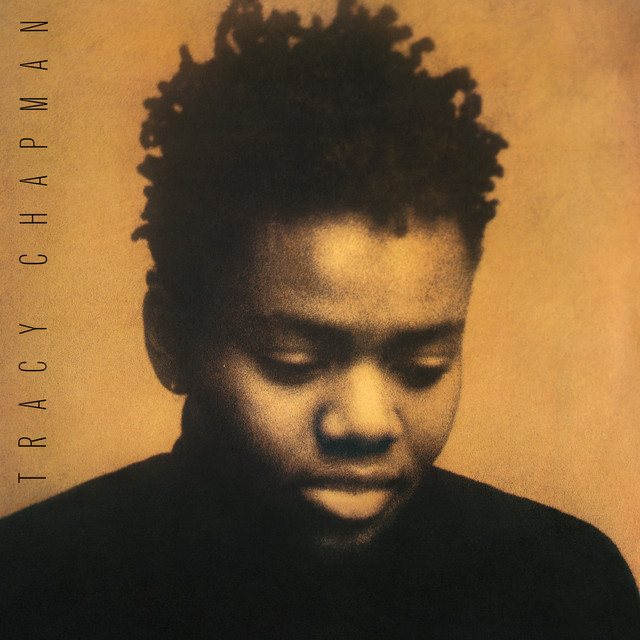
Tracy Chapman (1988), the album with “Fast Car”
Singer-songwriter
Tracy Chapman
Another major influence on me was Tracy Chapman. “Fast Car” came out in 1988, a few years before I was born, and her voice, both literal and metaphorical, gave me yet another example through childhood of the same mix of hope, resilience and tenderness I so sorely craved.
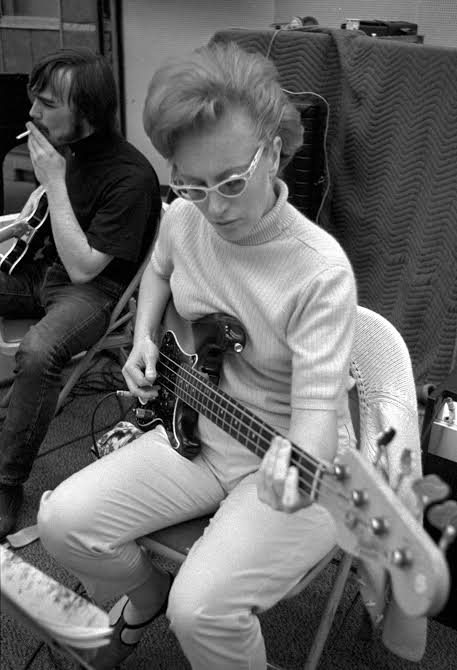
Carol Kaye at a session
Session bassist
Carol Kaye
My greatest musical influence is probably Carol Kaye. My main and favorite instrument is the bass guitar, largely because of her work and recordings. To me, she's the single most underrated session musician in history.
She was born in Everett, Washington, in 1935, and started out as a jazz guitarist in Los Angeles. In 1963, a bassist didn't show up to a Capitol Records session, so she filled in, and bass became her main instrument. She became the most in-demand session bassist in LA, and the only regular woman among the studio players later called the Wrecking Crew.
She's played on an estimated 10,000 recordings, including the Beach Boys' Pet Sounds and “Good Vibrations,” “These Boots Are Made for Walkin',” “River Deep, Mountain High” and the Mission: Impossible theme. She also wrote How to Play the Electric Bass, the first of her bass instruction books.
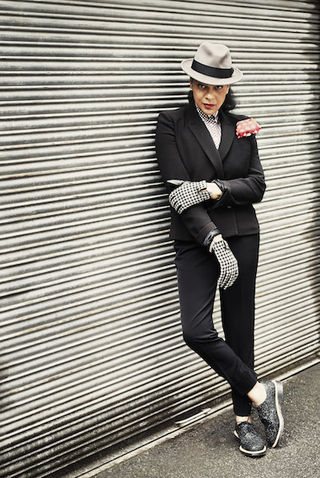
Pauline Black
The Selecter
Pauline Black
Pauline Black was my introduction to second-wave ska. She fronted the Selecter, one of the founding bands of 2 Tone, the ska revival that came out of Coventry, England, in 1979. The Selecter shared the very first 2 Tone single with the Specials, and they were one of the few 2 Tone bands mixed by both race and gender. Pauline wrote about racism and sexism, sang hits like “On My Radio” and “Three Minute Hero,” and did it in a sharp suit and a trilby. I wanted to be her.
2 Tone is the heart of ska for me. I love first wave, second wave and the modern revival, and I've never cared for third wave. 2 Tone was dance music that was openly anti-racist, and it's still the ska I listen to most.
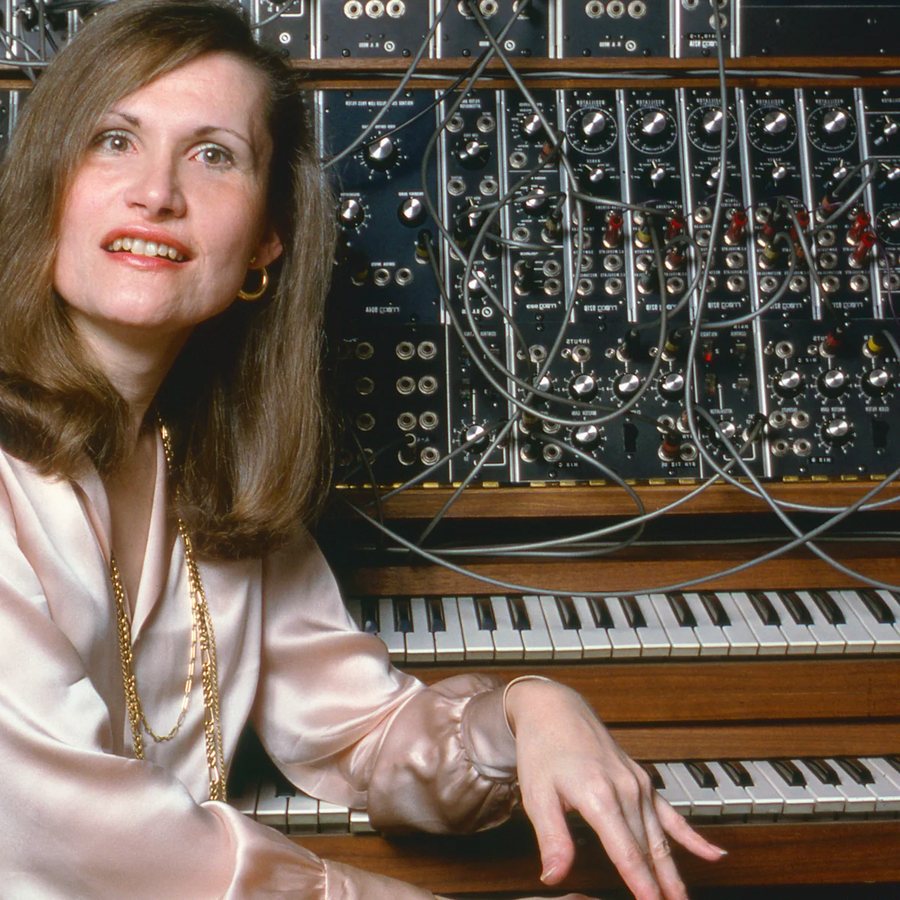
Wendy Carlos at a Moog modular
Composer and synthesist
Wendy Carlos
When I got older, I got heavily into electronic music. Wendy Carlos was my first major exposure to trans women pioneers of music, and her contributions to electronic music and film scores would go on to define how I viewed music.
Her 1968 album Switched-On Bach played Bach on a Moog synthesizer, an instrument she helped Robert Moog refine. It won three Grammys, making her the first transgender Grammy winner, and became one of the first classical albums to sell a million copies. She came out publicly in 1979, and she scored A Clockwork Orange, The Shining and Tron.
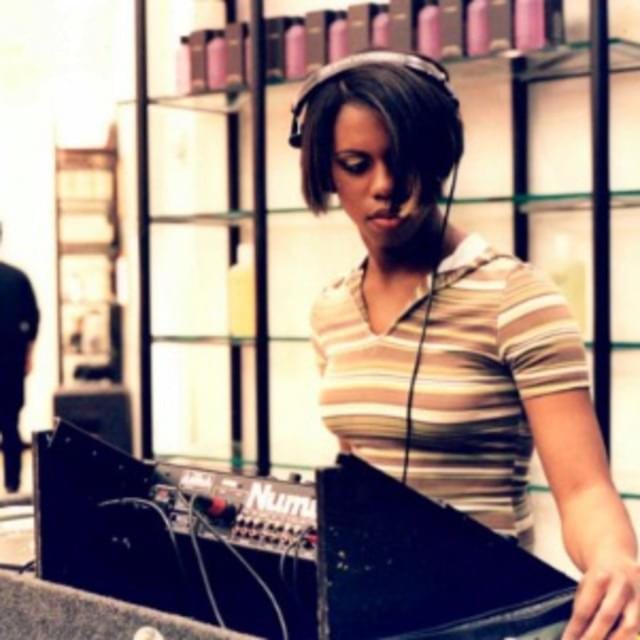
Jordana LeSesne, behind the decks
Drum and bass
Jordana LeSesne (1.8.7)
Jordana LeSesne, or 1.8.7, a pioneer of drum and bass, is clearly a major influence on my work. In the mid-'90s she became one of the most respected drum and bass producers in the US, with albums like When Worlds Collide (1997) and The Cities Collection (1999). She came out as trans in 1998, right in the middle of that run, and she's still producing and DJing today, out of Seattle.
You can hear her in all the drum and bass I make as tired void.
✦
The other side
What I was pushed toward
I know this reads like a standard feminist rant, because it basically is one. But that's how I got here.
What largely pushed me to realize I wasn't a typical man as a child was my uncle insisting on pushing me into more masculine interests. If I let any sensitivity show, it was attacked.
When I talked about wanting to help disabled people when I grew up, he told me I should focus on helping myself first. When I was interested in learning about marine life, he pushed me into fishing. I wasn't interested. I wanted to study it, not kill it. When I was interested in music, he pushed me into competitive sports instead, which I quit instantly every time.
I always assumed that was because I was broken, because I didn't enjoy what I was supposed to. Every time I showed any gentleness, it was shut down and replaced with a more masculine alternative. Obviously, none of it stuck. I discarded it for music, art, and an openness to experiences that weren't grounded in what felt like a cold rejection of the human condition.
What they taught me
They taught me that I didn't have to fit within the confines of pure practicality to hold my own.
Vulnerability, softness, beauty and grace can coexist with strength and independence.
The women I looked up to, whether I knew them directly or admired them from afar, are what gave me some kind of hope. Consistently, they're who inspired me.
This page covers gender-diverse people through history, and how medicine and psychiatry see trans people today. Every claim links to its source.
✦
A note on words
Most of the people and cultures below lived before the word “transgender” existed, and historians debate how well modern labels fit the past. So I've stuck to what each record shows.
History
Across cultures and centuries
Across six continents
A 2025 peer-reviewed review in Behavioral Sciences & the Law surveys records of trans, non-binary and gender-nonconforming people across six continents and five millennia.
Stanford historian Matthew H. Sommer's 2024 book documents gender-crossing lives in Ming and Qing China, built from court cases and other period records. It won the American Historical Association's 2025 Fairbank Prize.
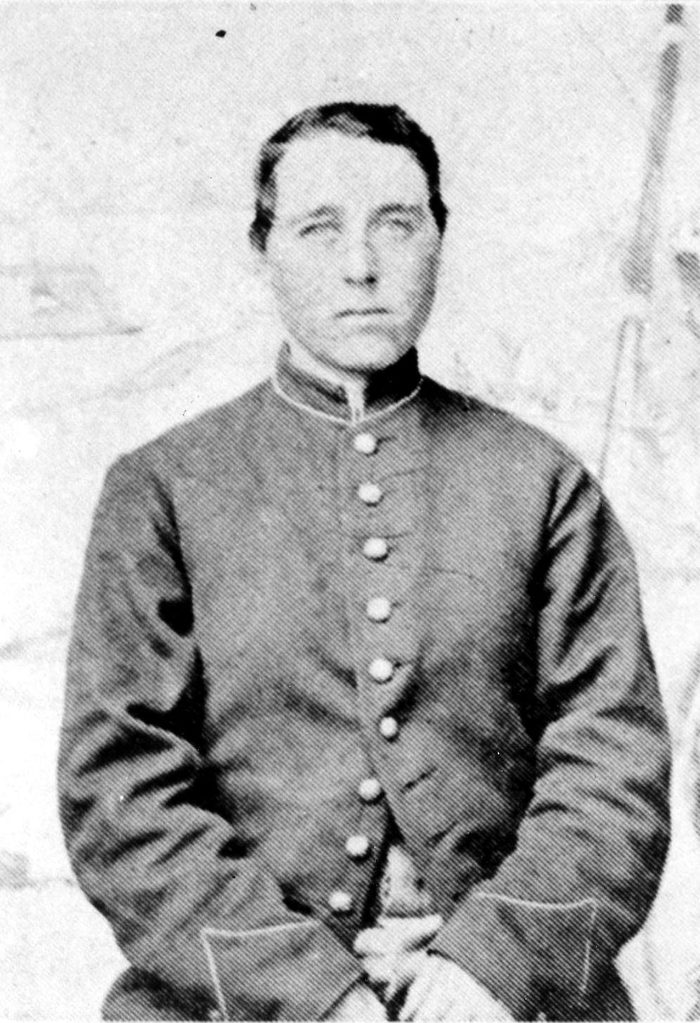
Albert Cashier enlisted in the 95th Illinois Infantry, fought through the Civil War, and lived as a man for the rest of his life. When his sex became public, his Army comrades and neighbors vouched for him, and he was buried in his Union uniform with military honors.
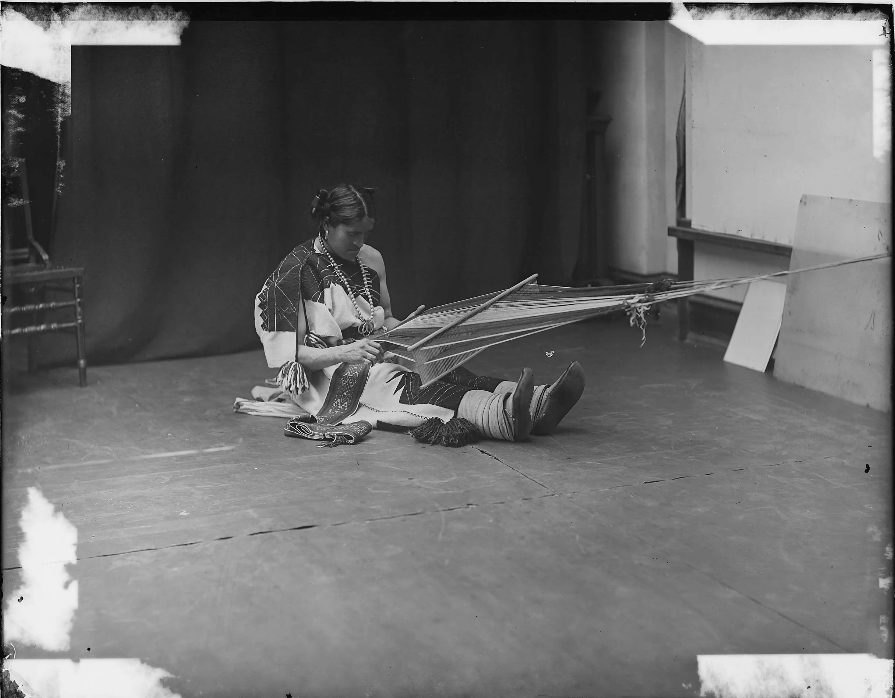
We'wha, a Zuni lhamana, a role that combined masculine and feminine elements outside the male-female binary, met President Grover Cleveland and members of Congress in Washington, D.C.
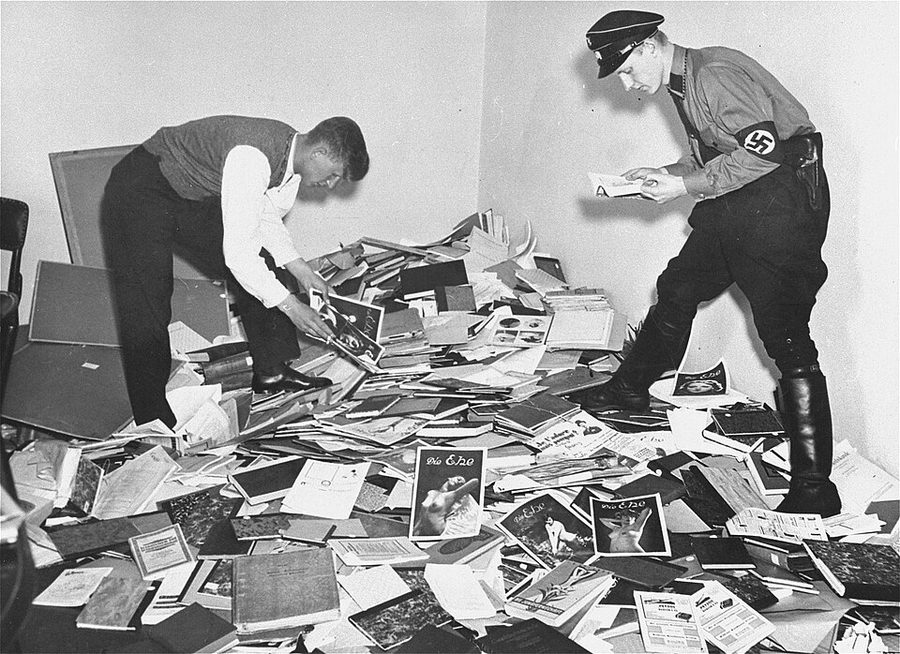
Magnus Hirschfeld's Institute for Sexual Science in Berlin was one of the first places to offer gender-affirming surgery for trans women, and it issued identity cards for trans patients. Nazi students raided it in May 1933 and burned its library.
Sorting the Institute's looted library, May 6, 1933. National ArchivesSource: Britannica
1952
Christine Jorgensen, a World War II Army veteran, made the front page of the New York Daily News after treatment in Denmark, and became one of the first trans women widely known in the US.
ICD-11, in effect since 2022, moved gender incongruence out of the mental disorders chapter and into conditions related to sexual health, because classifying it as a mental disorder “can cause enormous stigma.”
The APA says “the term ‘transgender’ is not a psychiatric diagnosis.” Its diagnosis, gender dysphoria, refers to distress, and not all trans people experience it. The DSM-5 (2013) adopted that diagnosis in place of “gender identity disorder,” partly to reduce stigma. The APA has also said being transgender or gender diverse “implies no impairment in judgment, stability, reliability.”
Its policy, reaffirmed in 2024, says gender-affirming medical and surgical treatments, “as determined by shared decision making between the patient and physician, are medically necessary.”
Care for minors is the most debated area right now. A 2025 federal HHS review rated the evidence for youth treatments as very low certainty. In February 2026, the American Society of Plastic Surgeons recommended delaying gender-related surgery until at least 19, and the AMA told reporters that surgery for minors should generally wait until adulthood.
For adults, I believe medical decisions are up to the individual, and any intensive or life-changing care should involve professional advice and a close social support network. For healthcare involving minors, any decision should be an informed one made between the individual, their family, and medical professionals.
I'm not claiming an opinion beyond that, and I don't want to use this space for political debate. My intent here is to inform, not debate.